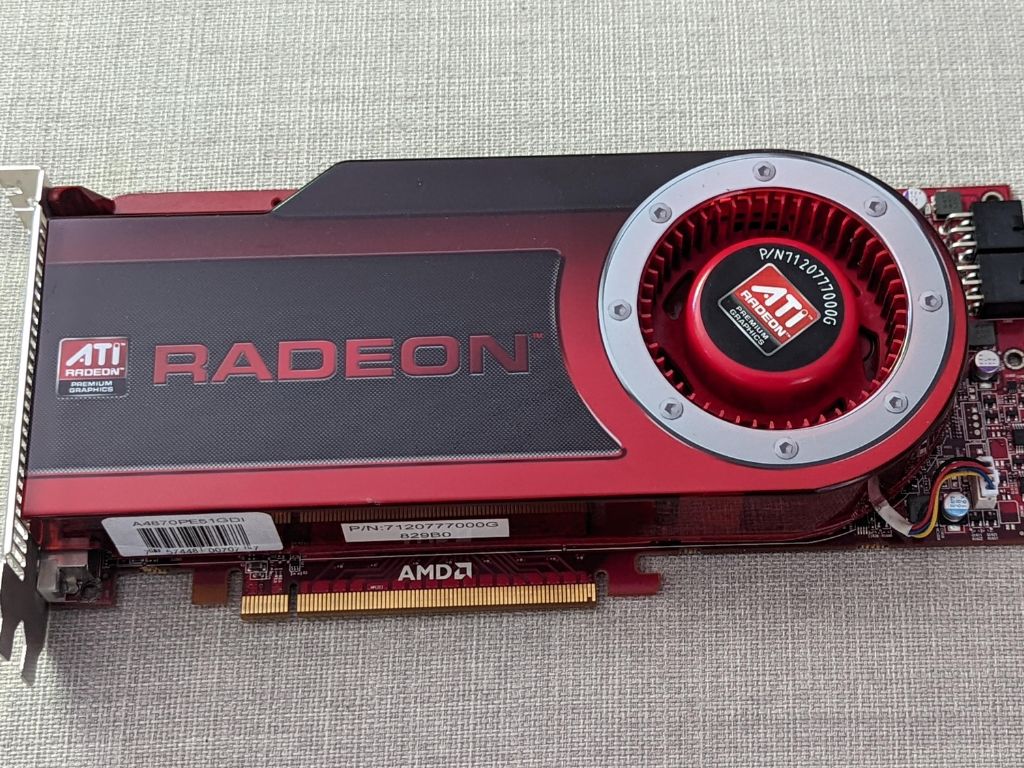
AI-assisted coding is quietly helping keep vintage AMD Radeon GPUs alive on Linux
Linux graphics driver developers are increasingly turning to AI-assisted coding tools to maintain old hardware that most companies have long since left behind. One recent example comes from the Mesa 26.2 graphics stack, where developer Gert Wollny used GitHub Copilot to refactor and clean up major parts of the AMD R600 Gallium3D driver.
The work focuses on the shader compiler code used by AMD’s R600-era graphics cards, including Radeon HD 2000, HD 3000, HD 4000, HD 5000, and HD 6000 series GPUs. These cards originally launched between 2007 and 2010, making some of them nearly 20 years old. While they are far beyond their official support window, many Linux users, retro PC builders, and hardware enthusiasts still rely on them for older gaming systems, test machines, and lightweight desktops.
In total, 59 commits were dedicated to improving the R600 driver code. The goal was not to add flashy new features, but to make the existing shader compiler cleaner, easier to maintain, and more stable. That kind of behind-the-scenes work is essential for open-source graphics drivers, especially when only a small number of volunteer developers are available to keep legacy hardware functioning.
Wollny noted in the merge request that the refactoring was carried out with the help of GitHub Copilot in auto mode. Some individual patches also included credit for Copilot’s assistance, making it clear where AI tools were used during the development process.
This is a practical example of how AI-assisted “vibe coding” can fit into serious software development. Instead of replacing developers, tools powered by large language models can help with repetitive cleanup, refactoring, and code organization. Human developers still review, test, and approve the final work, but AI can speed up tasks that would otherwise take a great deal of time.
For older open-source projects, that assistance can be especially valuable. AMD no longer actively contributes upstream driver updates for these legacy Radeon GPUs, so ongoing support depends heavily on community contributors. Without that effort, older graphics cards could slowly become less usable as Linux graphics technologies continue to evolve.
The R600 driver has benefited from steady volunteer work in recent years. Improvements have included NIR backend support, compute-related enhancements, and broader compatibility with modern Mesa features. These updates help bridge the gap between aging hardware and newer Linux software stacks.
The use of AI tools in this context also reflects a broader shift in open-source development. The Linux kernel community has adopted a practical position that allows developers to use AI coding tools, as long as responsibility remains firmly with the human contributor. AI may assist, but it cannot certify code or take legal responsibility for a submission.
Under these rules, only a human developer can add the Signed-off-by tag and confirm compliance with the Developer Certificate of Origin. When AI tools are used, developers are expected to be transparent by adding an Assisted-by tag that identifies the model or tool involved. The person submitting the code remains responsible for reviewing, testing, and ensuring the quality of the final patch.
That balance could become increasingly important as AI becomes more common in software development. For complex projects such as Linux graphics drivers, AI is unlikely to replace expert maintainers. However, it can reduce the workload for experienced developers who understand the codebase and know how to verify the results.
For users of older AMD Radeon graphics cards, this is good news. It shows that even hardware considered obsolete can continue to receive attention through open-source development, community dedication, and carefully supervised AI assistance. As long as developers remain accountable for the final code, AI tools may help keep vintage PC hardware useful for years to come.


