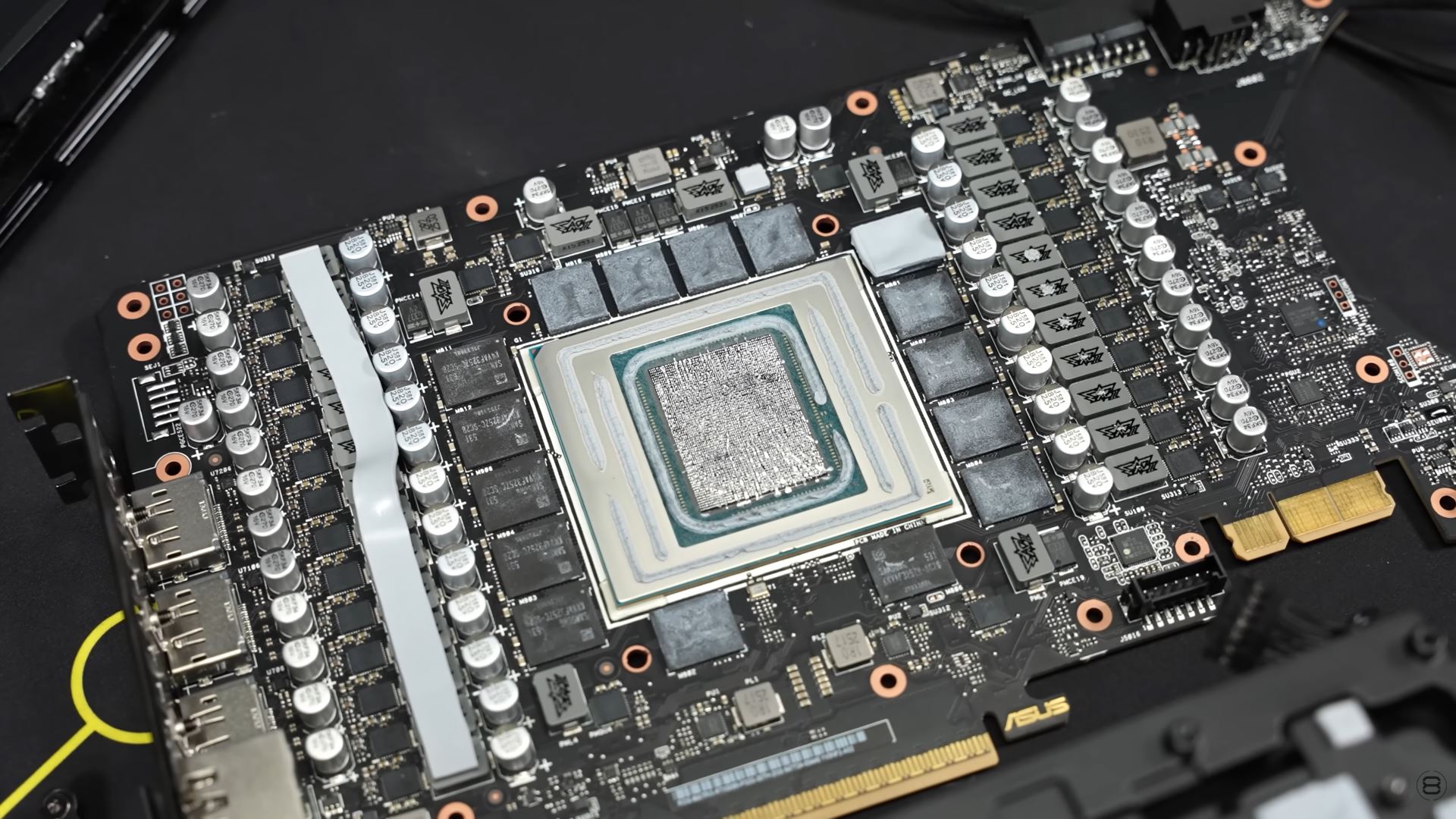
AI Boom Is Driving Up PCB Prices, and Consumer PC Hardware Could Get Even More Expensive
The AI hardware rush is no longer affecting only high-profile components like GPUs, memory, and SSDs. A new pressure point is emerging across the electronics supply chain: printed circuit boards, better known as PCBs.
PCBs are the foundation of nearly every modern electronic device. They connect and support critical components inside computers, servers, graphics cards, motherboards, laptops, networking equipment, and countless other products. Now, rising demand from AI infrastructure is reportedly consuming a growing share of global PCB production capacity, creating fresh concerns for consumer hardware pricing.
According to recent industry reporting, PCB manufacturers are facing sharply extended lead times as demand from AI data centers continues to accelerate. Some orders are reportedly taking up to 30 months to fulfill, meaning boards ordered today may not arrive until late 2028. That kind of delay highlights how strained the supply chain has become.
The biggest issue is that AI infrastructure requires massive amounts of advanced hardware, including high-performance servers, networking systems, accelerators, storage equipment, and power delivery components. All of these rely on PCBs. As companies pour billions into AI data centers, PCB suppliers are being pushed to prioritize large, high-value orders from enterprise customers.
That leaves traditional consumer electronics and PC makers in a difficult position. Even if PC shipments slow down next year, manufacturers may still struggle to secure enough PCB supply for desktops, laptops, motherboards, graphics cards, and other consumer products. When supply is tight and demand from AI companies remains strong, prices tend to move in only one direction.
The problem is not limited to factory capacity. Materials used to manufacture PCBs are also becoming more expensive. Copper-clad laminates, often called CCLs, are a key material in PCB production, and their prices have reportedly increased multiple times since July 2026. Because copper-clad laminate is essential to the structure and electrical performance of a PCB, rising material costs can quickly ripple through the entire electronics market.
This makes the situation harder to solve. Even if manufacturers expand production, higher raw material costs could keep PCB prices elevated. Building new capacity also takes time, and demand from AI infrastructure is growing at a pace that may continue to outstrip supply.
For consumers, the impact could be felt across a wide range of products. Higher PCB prices may raise manufacturing costs for motherboards, graphics cards, laptops, desktop PCs, gaming hardware, networking devices, and other electronics. Vendors already dealing with expensive memory, storage, and GPU components may now have another cost increase to absorb.
Some companies may choose to pass those costs directly to buyers through higher retail prices. Others may reduce margins, delay product launches, or adjust product designs to manage expenses. In any case, the PCB shortage adds another layer of uncertainty to the consumer tech market.
The AI boom has transformed the hardware industry in a remarkably short time. Demand for AI servers and data center components is reshaping supply chains, influencing pricing, and pulling manufacturing resources away from more traditional electronics categories. While AI investment continues to fuel growth for component suppliers, it may also make everyday devices more expensive for consumers.
If PCB lead times remain stretched and material prices keep rising, the cost pressure on PC hardware could continue well into the next few years. For buyers planning a new PC build or laptop upgrade, this may be another reason to watch hardware prices closely.