PC builders are running into a frustrating new reality in 2026: DDR5 RAM prices are soaring, availability is tight, and even “successful” orders aren’t always safe. One recent case shared on Reddit highlights how chaotic the current memory market has become, leaving gamers wondering whether a checkout confirmation actually guarantees anything.
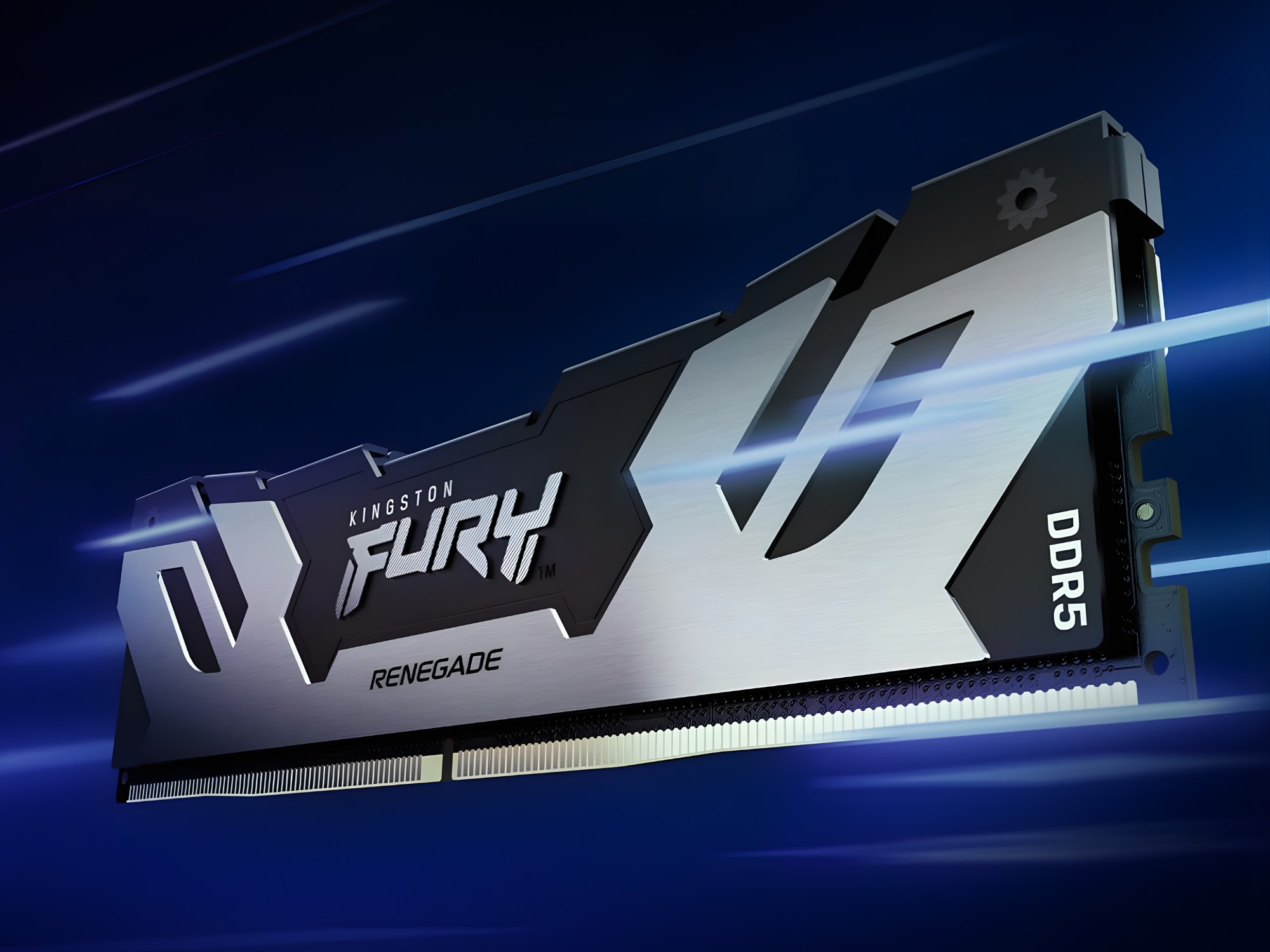
A Reddit user said they ordered a 32GB kit of Kingston Fury DDR5-6400 on December 31 from Canadian retailer PC-Canada. At the time of purchase, the product listing reportedly showed the RAM as available, with no obvious warnings about a backlog or unusual conditions. For a while, everything seemed normal. The buyer was even contacted with what sounded like a routine upsell question about adding a power supply before shipping.
Then the situation took a turn. According to the post, the retailer later followed up with a much bigger request: pay more than the original purchase price or have the order canceled. The message allegedly pointed to rapidly rising DDR5 RAM prices at the store, including for the same Kingston Fury memory kit, and treated the price increase as a buyer problem to solve.
What made the story spread quickly is how direct the explanation was. The retailer cited “volatility in the market” and shortages tied to components impacted by AI-driven demand, suggesting that manufacturers can change costs or delivery timelines with little notice. In the example shared, the total jumped from $446.99 to $507.99, a price increase of $61 for the same DDR5 RAM after the order was already placed.
Naturally, the reaction from other PC gamers was intense. Many buyers view an online order as a binding agreement—pay the listed price, and the retailer ships the product. But some stores operate differently, arguing that the “real” agreement isn’t finalized until the item is ready to leave the warehouse. That gray area is exactly what makes these disputes so messy, especially during shortages when DDR5 RAM pricing can change overnight.
The retailer’s own site reportedly includes language stating it can adjust pricing before shipping. Still, commenters urged the buyer to explore consumer protection options in Canada, raising questions about how provincial rules apply, including whether protections differ in Ontario. While it’s not clear how any complaint would end, the situation shows how important it is for shoppers to understand a store’s terms before buying high-demand PC parts.
The controversy also taps into a broader pattern seen during the current DDR5 memory shortage. PC hardware shoppers have watched prices climb fast, and some sellers have been accused of bait-and-switch tactics or post-purchase changes. Even well-known brands have faced backlash in recent months after canceling orders and blaming pricing errors—only to re-list the same memory at higher prices, sometimes offering discount codes that barely offset the increase.
For anyone building a gaming PC right now, the takeaway is sobering: high DDR5 RAM prices are only part of the problem. With supply pressure and rapid pricing swings, buyers may also need to protect themselves with safer purchasing habits—double-checking retailer reputations, reading pricing and cancellation policies, saving order documentation, and considering retailers with clearer price guarantees. In a market this volatile, the biggest surprise isn’t just how expensive DDR5 has become—it’s that even after you click “buy,” the cost may not be final.