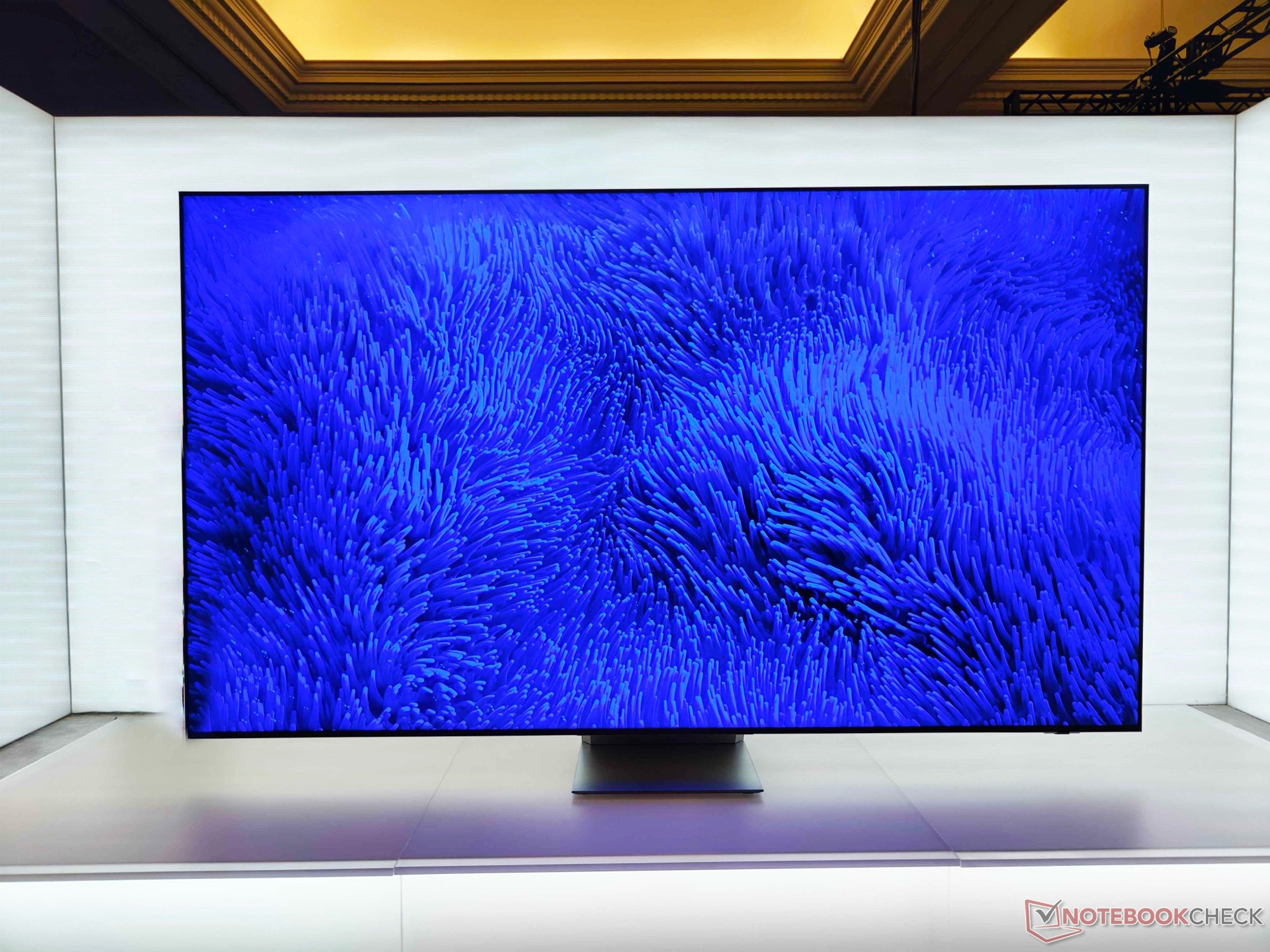
Samsung has taken a bold step forward in the world of television display technology with its innovative approach to microLED backlighting. Instead of making each microLED an individual subpixel, Samsung is leveraging these tiny light-emitting diodes as a backlighting solution for traditional LCD panels. This strategic move is designed to deliver the exceptional picture quality associated with microLEDs while making it more accessible to consumers.
For those seeking the ultimate in home theater experiences, the current market offers OLED and LCD TVs with mini-LED backlighting, each boasting distinct advantages. OLED panels are renowned for their stunning black levels and quick response times without any halo effects, whereas mini-LED TVs are celebrated for their impressive peak HDR brightness. MicroLED technology aims to combine these benefits, with each subpixel acting as its own light-emitting diode. However, this level of sophistication typically comes with an exorbitant price tag, often exceeding $100,000, putting it beyond the reach of most.
At the CES 2025 event in Las Vegas, Samsung introduced a compelling alternative. By employing microLEDs as a backlighting system, the company is able to significantly reduce the total number of LEDs and dimming zones required, while still achieving more precise backlight control than current mini-LED technologies allow. Although Samsung hasn’t revealed specific figures regarding the number of LEDs or dimming zones, industry speculation suggests that the new microLED TV might feature tens of thousands, or even hundreds of thousands, of dimming zones, compared to the thousands found in mini-LED models. This enhancement is expected to reduce blooming effects and render more vivid colors, as the microLEDs are capable of emitting not only white but also red, green, or blue light, syncing seamlessly with the content on screen.
Furthermore, Samsung’s innovative approach aligns the backlight color with that of the LCD panel, which serves as a color filter. This alignment reportedly reduces power consumption by 30% without compromising brightness. Samsung claims their prototype microLED TV achieves a remarkable 90% coverage of the BT.2020 color space, hinting at an unparalleled viewing experience.
While details about the pricing and release date of this RGB microLED smart TV remain under wraps, it is anticipated to carry a premium price tag, potentially surpassing Samsung’s existing 8K Neo QLED TVs. Such advancements in display technology continue to pave the way for breaking new ground in the visual quality that consumers can expect from high-end televisions.


