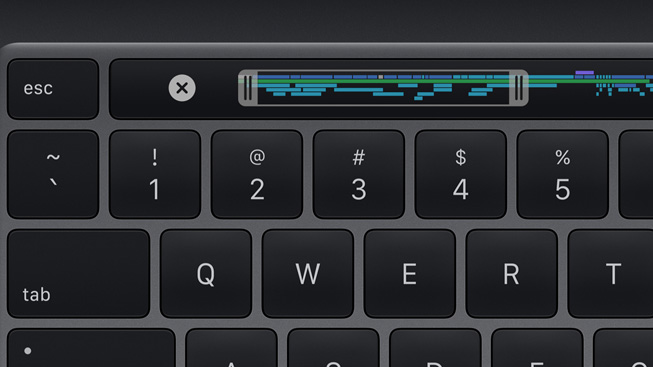
In the tech world, Apple’s commitment to sleek and innovative design is well-documented, but this pursuit has not always been without its missteps. One notable example is the introduction of the butterfly keyboard, which became a significant point of contention among MacBook users.
Introduced with the 12-inch MacBook in March 2015, the butterfly keyboard featured an ultra-thin design aimed to complement Apple’s thinnest laptops yet. The keyboard’s mechanism was inspired by a butterfly’s wings, employing a two-sided hinge that allowed for a much lower profile than the traditional scissor switch design. However, what was gained in slimness was lost in reliability.
The shallow key travel of these keyboards was just the tip of the iceberg. Soon, users began reporting issues with sticky keys and unresponsive keystrokes caused by the slightest bits of dust and debris. The problem was so pervasive that it led to a class-action lawsuit in 2018, alleging that Apple was aware of the flaws but continued to include the butterfly mechanism across its MacBook lineup.
After years of customer complaints, Apple launched an extended keyboard service program to address these issues by offering free repairs for affected laptops. This program has been a relief to many users but is drawing to a close after running for six years.
The eligibility for free service under this program requires that the device be within four years of its original purchase date. As of now, specific MacBook models, including the 2019 MacBook Air and MacBook Pro, are still within the program’s coverage. However, by November of this year, even these models will no longer be eligible for the free repair service.
Apple has since moved on from the butterfly keyboard, returning to more robust keyboard designs that presumably align with users’ needs for reliability and functionality. The tech giant has shifted its focus, now providing users with more ports and features instead of solely emphasizing the thinness of its devices.
While many users have already upgraded to newer models with improved keyboards, those holding on to their butterfly keyboard-equipped MacBooks should take advantage of the service program before it expires. Considering the complexity of repairing these keyboards, professional service is advisable over attempting a do-it-yourself approach.
If you’re considering an upgrade and the butterfly keyboard has plagued you, there are renewed options available, such as the M2 MacBook, which can offer a good balance of performance and price. Upgrading can ensure you stay ahead of the curve, free from the flaws of past designs.
In conclusion, while no piece of technology is perfect, and every design can come with its shortcomings, it’s crucial to be aware of the support and service timelines for your devices. For those affected by the butterfly keyboard issues, acting soon to service or upgrade your MacBook can save you from the inconvenience of a malfunctioning laptop. Let this serve as a reminder to stay informed about your tech investments and make the most of the repair and service options available to you.