Social Media Platforms and Real-Time News: A Case Study of Delayed Trending Topics
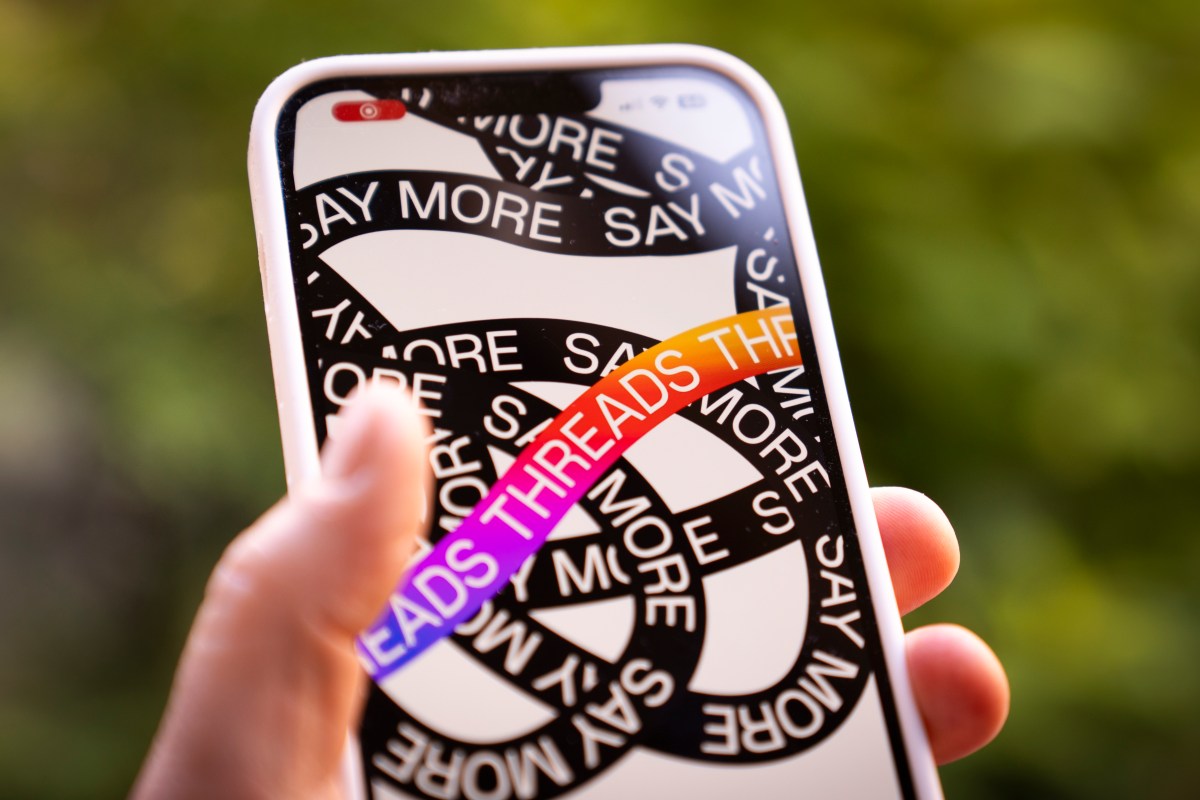
In the fast-paced world of social media, being up-to-date with real-time events is crucial for platforms aspiring to capture the pulse of their users. A recent event highlighted a significant challenge faced by Instagram Threads, the Meta-owned communication platform designed to compete with the influential microblogging site, previously referred to as Twitter.
When a noticeable earthquake hit the New York and New Jersey area, the incident became an immediate talking point among users. While people flocked to the microblogging platform, pushing the term “earthquake” to the top of its trending topics list, along with specific affected areas, Threads failed to catch up in a timely manner. The term related to the earthquake didn’t trend on Threads until the afternoon, long after the event occurred in the morning.
Discussions about the earthquake were actively taking place on Threads. Users tried to adapt by tagging their conversations with specific labels like EarthquakeThreads or NYC Threads to increase the visibility of their posts. However, unlike the microblogging platform where hashtags spearhead content aggregation, Threads operates without hashtags, opting for a cleaner user interface but at the cost of potentially slowing down the dissemination of trending topics.
Conversations tagged in varied ways, such as “earthquake,” “Earthquake Threads,” or more localized tags, may dilute the momentum necessary for a topic to trend. This became evident when, even after an inquiry about the delayed trending, Threads indicated that their trends are based on national conversations and it might take time for region-specific topics to gain traction.
The delay in trending topics on Threads poses a significant drawback in the competition against real-time focused social networks. The original microblogging platform, historically known for real-time delivery of news, cemented its role as a go-to source during live events, such as the San Francisco earthquake, which highlighted its potential for instantaneous information sharing.
Despite Threads boasting a sizable user base within the ‘fediverse’—a collective of interconnected social networking services—it struggles with delivering an experience akin to that of its competitor. Insights suggest that usage among power users on the former Twitter remained steady in the face of competition, underscoring the stickiness of the platform due to its real-time news capabilities.
Moreover, Threads’ approach to content curation, which reportedly brings up random and sometimes outdated posts, along with its delayed trend updates, could hinder its ability to provide a comparable service. Users may be drawn to Threads for various reasons, such as disliking the direction of the other platform under Elon Musk’s leadership, but they continue to miss out on experiencing the immediacy and shared connection during live events—an element that has been a hallmark of the original microblogging site’s success.
Social media platforms aiming to be the hub of real-time discussions and breaking news must consider the importance of immediate information dissemination and its impact on user experience. As social networks evolve, the capacity to provide timely and communal exchanges during global events will remain a vital feature distinguishing successful platforms in an increasingly competitive space.


