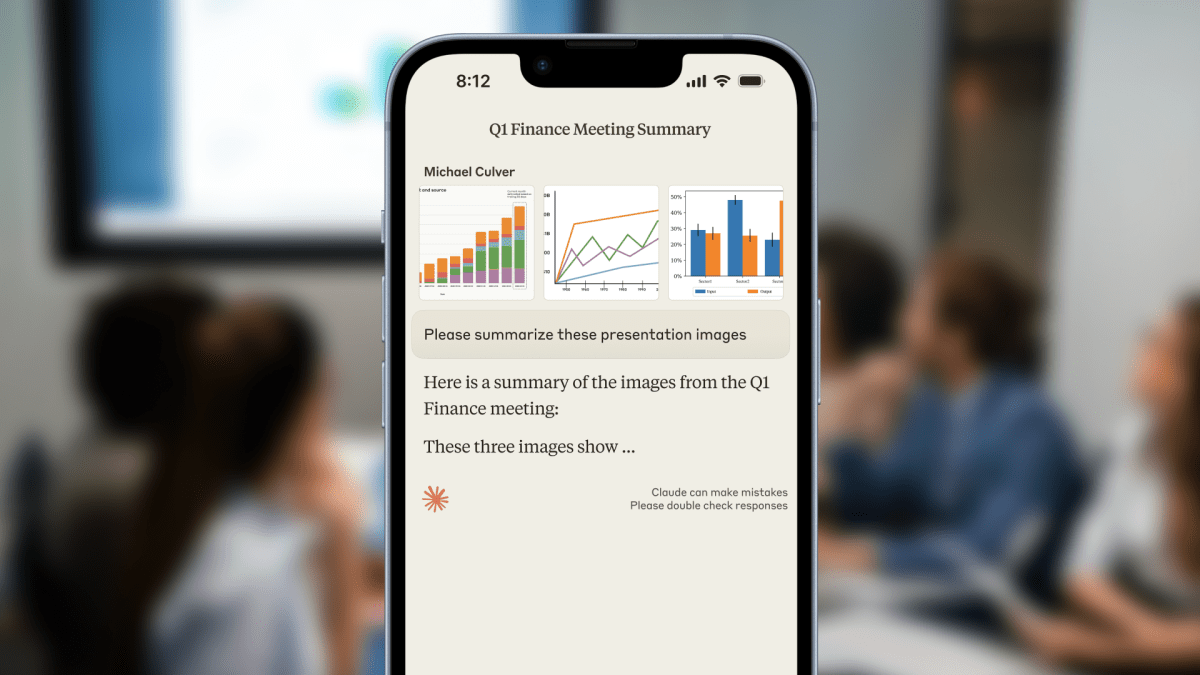
The mobile AI chatbot app market, recently energized by the launch of OpenAI’s ChatGPT, welcomed a new contender this month with the release of Anthropic’s Claude on iOS. Despite offering features akin to its web version, such as history sync and photo upload, Claude’s entry into the mobile space has seen a more subdued reception than its prominent competitor.
Upon its arrival, Claude managed to garner a total of 157,000 global downloads in its first week. This pales in comparison to the explosive start that ChatGPT had, which recorded 480,000 installations within just five days of its introduction in the US market. Initially, expectations were high for Claude, given the hype surrounding AI-driven tools.
However, the enthusiasm for Claude didn’t translate into a top-ranking position within the Apple App Store. While ChatGPT swiftly climbed the ranks to become one of the most successful new releases, Claude’s highest rank in the U.S. free iPhone apps list peaked at 55th on May 4th, shortly after its debut. The app’s position has since declined, moving down to 51st among free Productivity apps, a significant dip from its 5th position in the same category earlier in the month.
The market response to Claude’s launch could suggest that consumer demand for AI chatbot apps may not be as fervent for new entrants as it is for the well-publicized ChatGPT. According to app intelligence data, the U.S. leads Claude’s downloads, making up half of the total installations, with Japan and the U.K. following at 11% and 8%. The decline in download numbers soon after release reflects a potential shortfall in market excitement or brand awareness for Anthropic’s offering.
Factors that possibly influenced ChatGPT’s remarkable debut include its timing. Before its official app materialized, several other third-party applications leapt into the space and branded themselves with the “ChatGPT” or “AI chatbot” identifiers. Though many were considered fleeceware, charging premium subscriptions for AI interactions, they did pave the way for ChatGPT, helping to establish its brand recognition—something that Claude seems to lack.
Adding to the challenges, Claude entered a denser competitive landscape than its predecessor. Google has broadened its AI features within existing products, revamping its AI chatbot Bard into Gemini and launching it across its product suite. Furthermore, platforms such as Quora’s Poe have enabled users to experience a variety of AI chatbots, including both ChatGPT and Claude, from a single interface.
The unfolding dynamics of AI chatbots in the mobile marketplace continue to evolve with new entrants striving to carve out their niche. With the contrast between the receptions of ChatGPT and Claude, it’s clear that timing, brand awareness, and competitive positioning are critical factors shaping the success of new applications in the crowded AI landscape.


